
Why Your ADHD Brain Struggles with Kitchen Clutter (And What Actually Helps)
ADHD kitchen clutter fixes are simpler than you think — here’s a quick overview of what works:
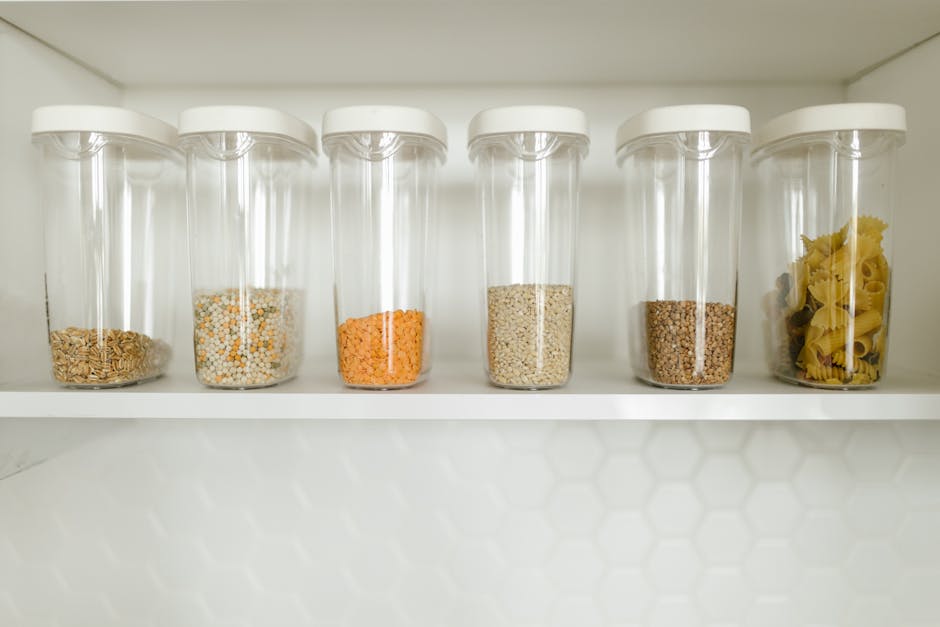
- Use clear containers so food stays visible and nothing gets forgotten
- Create zones (snack zone, prep zone, coffee station) to reduce decision fatigue
- Install sliding shelves or pull-out bins to beat deep-cabinet “black holes”
- Label everything with categories like “Baking” or “Canned Goods”
- Keep frequently used items at eye level — between shoulders and knees
- Build a simple nightly reset habit (10 minutes max)
- Reduce inventory first — less stuff means less chaos
If you have ADHD, the kitchen can feel like a battlefield. It’s not about being messy or lazy. It’s how your brain is wired.
Three things hit especially hard in the kitchen:
- Executive dysfunction makes it hard to start or finish cleaning tasks
- Visual overwhelm turns a cluttered counter into a wall of noise your brain can’t process
- Object permanence means if you can’t see it, it simply doesn’t exist — food gets forgotten, duplicates get bought, and the pantry becomes what one frustrated home organizer famously called “The Abyss”
The result? Stress builds. Cooking feels impossible. Healthy eating suffers. And the mess spreads from the kitchen into the rest of the house — because as the saying goes, as the kitchen goes, so goes the house.
The good news: you don’t need a Pinterest-perfect setup. You need systems that work with your brain, not against it.

Why Traditional Organizing Fails and the Best ADHD Kitchen Clutter Fixes
We’ve all been there: we spend a weekend buying matching wicker baskets and aesthetic ceramic jars, only to have the system fall apart by Tuesday. Traditional organizing often prioritizes how a space looks over how it functions for a neurodivergent brain. For us, if a system requires too many steps — like opening a lid, then a bag, then pouring — we simply won’t do it.
The secret to adhd kitchen clutter fixes is acknowledging “object permanence.” In the ADHD world, things are either “in sight” or “out of existence.” When we put the onions in an opaque vegetable bin at the bottom of the pantry, they don’t just stay there; they transform into a science project we discover six months later.
To fix this, we need to transition to low-maintenance systems that prioritize visual cues. We want to see our inventory at a glance. This reduces the “cognitive load” of cooking. When you can see that you have three boxes of pasta, you don’t buy a fourth. When you see the healthy snacks right in front of you, you’re less likely to reach for the hidden bag of chips.
Before you start buying gadgets, we recommend a “Kitchen Cleansing.” This isn’t about minimalism for the sake of it; it’s about reducing the number of decisions you have to make every day. Check out our guide on Kitchen Cleansing: Decluttering for the Culinary Inclined ADHD to get started.
Pinterest-Perfect vs. ADHD-Functional
| Feature | Pinterest-Perfect (Fails ADHD) | ADHD-Functional (Works!) |
|---|---|---|
| Containers | Opaque, matching ceramic or wicker | Clear acrylic or wire mesh |
| Lids | Tight-fitting, decorative | No lids or easy-flip tops |
| Grouping | By size or color | By “Zone” or frequency of use |
| Labels | Hand-lettered cursive (hard to read) | Bold, clear, color-coded |
| Storage | Hidden behind closed doors | Open shelving or glass fronts |
Essential Tools to Conquer “The Abyss” and Deep Cabinets
Deep cabinets are the natural enemy of the ADHD brain. We call them “The Abyss” because once an item goes past the first row, it’s gone forever. To combat this, we need to bring the back of the cabinet to the front.
Sliding Shelves and Pull-Out Baskets These are life-changing. Instead of crawling on the floor with a flashlight to find a pot lid, you simply pull the shelf toward you. Suddenly, everything is visible. You can find affordable versions that screw into your existing cabinets at most home improvement stores.
Lazy Susans (Turntables) If you have corner cabinets or deep pantry shelves, a Lazy Susan is a must. They prevent items from getting “buried” in the corners. One quick spin and your spices or oils are right there. For more on this, see our tips on Rotating Storage Ideas for Small Kitchens.
Vertical Storage and Tension Rods Stop nesting your baking sheets and cutting boards! When they are stacked horizontally, getting the bottom one feels like a game of Jenga. Use wire racks or even simple tension rods placed vertically in a cabinet to file your pans like folders.
Over-Door Shoe Bags Don’t let the name fool you. A clear plastic shoe organizer hung on the back of a pantry or kitchen door is one of the best adhd kitchen clutter fixes for small items. Use the pockets for snacks, spice packets, or even cleaning supplies. Because the pockets are clear, you never lose track of what’s inside.
Visibility is Key: Clear Bins as ADHD Kitchen Clutter Fixes
If there is one rule for ADHD organization, it’s this: Make it transparent.
Using clear acrylic trays and bins allows you to categorize items without hiding them. We love using Stackable Bins for Easy Sorting for things like granola bars, fruit pouches, or tea bags.
When you use Storage Baskets for Quick Tidying, make sure they are wire mesh or low-sided. If the bin is too deep and opaque, the bottom half becomes a graveyard for expired cans.
Inventory Tracking Tip: When you use clear bins, you create a “mini grocery store” effect. At a glance, you can see if the “Cracker Bin” is empty. This makes creating a grocery list much less overwhelming because you aren’t digging through piles of boxes to see what’s left.
Creating Functional Zones and Prime Real Estate
The “Zone Concept” is about grouping items by activity rather than by type. Instead of putting all your “dry goods” in one place, think about how you actually use your kitchen.
Common ADHD Kitchen Zones:
- The Coffee/Tea Station: Keep the mugs, sugar, spoons, and coffee pods all in one spot next to the machine.
- The Snack Zone: A dedicated drawer or low shelf with clear bins for easy-to-grab snacks. This is especially helpful if you have kids!
- The Prep Station: Keep your cutting boards, knives, and frequently used spices near your main workspace.
- The Cleaning Zone: Keep your dish soap, sponges, and towels together under the sink (ideally in a pull-out tray).
Prime Real Estate In adhd kitchen clutter fixes, “Prime Real Estate” is the area between your shoulders and your knees. This is the easiest place to reach and see.
- Most Used Items: These go in the prime real estate. Think daily dishes, favorite spices, and the cereal you eat every morning.
- Rarely Used Items: The Thanksgiving turkey platter and the giant stand mixer go on the very top shelves or the very bottom.
- The Eye-Level Rule: If you want to eat healthier, put the cut-up veggies and fruit at eye level in the fridge. Hide the less-nutritious stuff in the bottom “crisper” drawers (which we usually call the “rotter” drawers because we forget what’s in them!).
Labeling Strategies: The Ultimate ADHD Kitchen Clutter Fixes
Labels aren’t just for aesthetics; they are external “brain backups.” They tell your “tired Tuesday brain” exactly where the bread goes so you don’t just dump it on the counter.
We recommend using bold, easy-to-read labels. You can explore Inventive Labeling Ideas for Kitchens and Pantries for ADHD to find a style that fits your personality.
For those who need a more rigorous system, the Label Everything Method: A Strategy for ADHD can be a game-changer. This involves labeling the shelf or the bin rather than the item itself. That way, even when the bin is empty, you know exactly what is missing.
Types of ADHD-Friendly Labels:
- Color-Coded Labels: Use different colors for different categories (e.g., Green for snacks, Blue for baking). This helps with Color-Coded Labels for Home Organization for ADHD.
- Picture Labels: Great for kids or for those of us who process images faster than words.
- Chalkboard Labels: Perfect for bins where the contents change frequently.
- DIY Techniques: You don’t need an expensive label maker. Check out DIY Label-Making Techniques for ADHD Home Environment for simple hacks using masking tape or Sharpies.
Maintenance Routines: Keeping the Chaos at Bay
Organization is a journey, not a destination. For us, the “maintenance” part is where things usually fall apart. We need routines that feel like micro-habits rather than massive chores.
The FlyLady Method: Shine Your Sink One of the most famous ADHD-friendly tips is to “shine your sink” every night. It sounds too simple, but starting the day with a clean, empty sink prevents the “dishes mountain” from growing. When the sink is clean, you’re more likely to put your breakfast plate directly into the dishwasher.
The 10-Minute Timer Don’t try to “clean the kitchen.” That’s too big. Instead, set a timer for 10 minutes. Tell yourself you will only work until it beeps. You’ll be surprised how much you can clear when you’re racing the clock (and the “novelty” of the timer helps spark a bit of dopamine).
“Clean as You Go” Fill the sink with hot, soapy water before you start cooking. As you finish with a bowl or a spoon, drop it in. This prevents the overwhelming pile of crusty dishes at the end of the meal when your “cooking dopamine” has already worn off.
The Nightly Reset Before you head to bed, do a quick sweep of the “flat surfaces.” ADHD brains love to drop things on counters. Clearing the “drop zones” into designated baskets or back to their “homes” keeps the clutter from snowballing. For more on this, look at Label-Based Home Organization Solutions for ADHD.
Frequently Asked Questions about ADHD Kitchen Organization
How do I stop losing food in deep pantry cabinets?
The best way to prevent “The Abyss” is to install sliding drawers or use long, clear pull-out bins. If you can’t install hardware, use tiered shelving (like a stadium-style spice rack) so you can see the labels of the cans in the back. Always follow the “one-in, one-out” rule to prevent overstuffing.
What are the best budget-friendly tools for a small ADHD kitchen?
You don’t need a huge budget for adhd kitchen clutter fixes.
- Magnetic Strips: Use them for knives or metal spice tins to save counter space.
- Tension Rods: Use them under the sink to hang spray bottles.
- Dollar Store Bins: Simple plastic baskets work just as well as expensive acrylic ones.
- Hanging Baskets: If your counters are full, hang a basket from the bottom of a cabinet for fruit or mail.
How can I maintain a clean kitchen without feeling overwhelmed?
Focus on “reducing inventory.” If you have 20 coffee mugs but only use 4, donate the rest. Fewer items mean fewer things to wash and put away. Use “body doubling” — call a friend or put on a podcast while you tidy to keep your brain engaged. Finally, embrace “good enough.” Your kitchen doesn’t need to be perfect; it just needs to be functional enough to make a sandwich without a meltdown.
Conclusion
At Educacao Play, we believe that your home should support you, not stress you out. Implementing adhd kitchen clutter fixes isn’t about conforming to someone else’s standards of “clean.” it’s about creating a space where you can find the spatula when you need it and where you don’t feel a wave of guilt every time you open the pantry.
Start small. Choose one drawer or one shelf today. Set your timer, put on your favorite music, and see what happens. By building these sustainable habits, you aren’t just cleaning a kitchen — you’re improving your emotional regulation and reducing daily stress.
Ready to tackle the rest of your house? Explore More decluttering tips on our blog for effortless strategies to streamline your life!
