
Why an Anti Clutter Kids Backpack Makes Every School Morning Easier
An anti clutter kids backpack is a bag designed with multiple dedicated compartments, labeled sections, and quick-access pockets to keep school essentials organized and easy to find.
Here’s what to look for at a glance:
- Multiple compartments – separate zones for books, tech, and stationery
- Padded laptop sleeve – protects devices and keeps them in place
- Water bottle pocket – dedicated side sleeve so bottles don’t leak on homework
- Quick-access front pocket – for keys, transit cards, or snacks
- Ergonomic straps – wide, padded shoulder straps with a sternum strap for even weight
- Lightweight construction – bag weight matters; the total load should stay below 10-15% of your child’s body weight
Picture this: it’s 7:45 a.m. Your child is frantically pulling crumpled worksheets, a rogue banana, and three mystery pencils out of a single overstuffed main compartment. Sound familiar?
A cluttered backpack isn’t just annoying. It slows kids down, causes unnecessary stress, and can even hurt their posture and back over time. When everything gets dumped into one big pocket, nothing is actually organized — it just moves from the floor to the bag.
The good news? The right backpack design solves most of this automatically. When a bag has a clear place for everything, kids (and parents) spend less time searching and more time doing.
The Anatomy of an Anti Clutter Kids Backpack
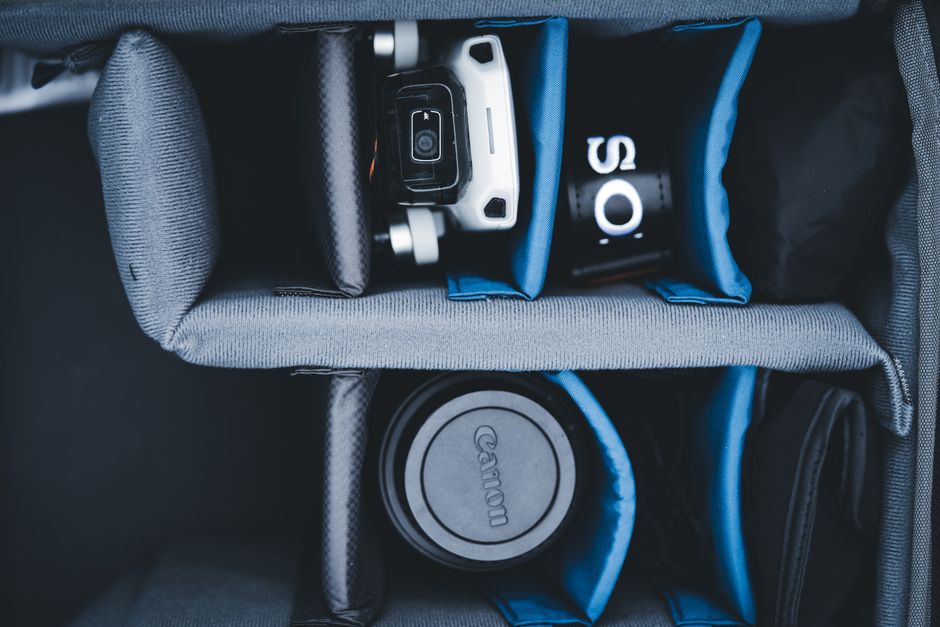
When we talk about an anti clutter kids backpack, we aren’t just talking about a bag with a lot of space. In fact, too much unstructured space is often the enemy. If you give a child a giant “cavernous” hole, they will fill it with a chaotic mix of permission slips and half-eaten granola bars.
The true anatomy of an organized bag relies on “zoning.” Just like we organize a kitchen by keeping plates in one spot and silverware in another, a high-quality backpack should have intuitive zones. Research into popular models, like the Kids Large Backpack | CALPAK , shows that a 20L to 30L capacity is the “sweet spot” for older children, providing enough room for a 15-16 inch laptop and several textbooks without becoming a bottomless pit.
Essential Features of an Anti Clutter Kids Backpack System
To truly stop the paper trail, a backpack needs specific structural elements. Here is what we recommend looking for:
- Dedicated Laptop and Tablet Sleeves: These aren’t just for protection. By giving the heaviest and flattest items a home against the back panel, you prevent them from crushing loose papers.
- Internal Labels and Icons: Some innovative designs actually include visual cues or labels inside the pockets. This is a game-changer for younger children or those who struggle with focus. You can even enhance this yourself by using fun-sticker-labeling-for-personal-items-in-adhd-environment to mark where the “Lunch Box” or “Homework Folder” goes.
- Tech Integration: Modern students carry chargers and power banks. Look for bags with integrated USB ports and cable management. This keeps wires from tangling around pens and rulers.
- Anti-Theft and Hidden Pockets: A rear zippered pocket is perfect for a phone or bus pass, keeping them secure but separate from the main mess.
Quick-Access Pockets for Daily Essentials
We’ve all seen the “backpack shuffle”—that frantic dance kids do while trying to find their house keys at the front door. Quick-access pockets are the solution.
- Insulated Side Sleeves: These are perfect for water bottles. Not only do they keep drinks cool, but they also ensure that if a bottle leaks, the moisture stays away from the math book.
- Front Organizer Panels: These should have small mesh pockets for pens, lip balm, and hand sanitizer.
- External Attachment Points: For items like gym shoes or a wet raincoat, look for “daisy chains” or clips. Keeping “stinky” or “wet” items outside the main compartment is a pillar of anti-clutter living.
Using fun-sticker-labeling-for-personal-items-in-adhd-environment-2 on these external pockets can help younger kids remember which pocket holds their snack and which holds their “treasures” from the playground.
Ergonomics and Posture: The Foundation of Order
It might seem strange to link posture to organization, but they are deeply connected. A child who is uncomfortable is less likely to take the time to pack their bag carefully. If a backpack is sagging or pulling on their shoulders, they’ll likely just shove everything in as fast as possible to get the weight off their back.
An ergonomic anti clutter kids backpack uses features like padded back panels and airflow mesh to make the bag feel lighter. When the load is distributed correctly, the internal compartments stay upright, making it easier to see what’s inside.
Preventing Strain with Proper Fit
To prevent back strain and promote better habits, we must follow the 10-15% rule. If your child weighs 80 pounds, their backpack should never exceed 12 pounds. Features that help manage this weight include:
- Sternum Straps and Hip Belts: These are common in high-quality designs like the ergobag Kindergarten mini Backpack Beartastic . They shift the weight from the delicate neck and shoulder muscles to the stronger core and hips.
- Adjustable Torso Lengths: Children grow fast. A bag that fits in September might be too small by March. Look for bags with adjustable harnesses that allow the bag to sit correctly on the small of the back.
- Wide Padded Straps: Straps should be at least two inches wide and contoured to prevent “digging” into the shoulders.
For older students carrying heavier loads, the ergobag Large Kids Backpack Confetti exemplifies how ergonomic systems can support a larger volume (up to 10-20 liters) without sacrificing the child’s physical health.
Teaching Kids to Maintain Their System
Even the best anti clutter kids backpack won’t stay organized if the user doesn’t know how to use it. At Educacao Play, we believe in empowering kids to take ownership of their routines. This is especially important for children who might need extra help with executive functioning.
ADHD-Friendly Organization Strategies
For kids with ADHD, a backpack can quickly become a “black hole.” We can mitigate this by using visual and tactile systems.
- Color-Coded Folders: Match the folder color to the backpack pocket (e.g., the blue folder always goes in the blue-lined sleeve).
- Visual Packing Cards: Create a small laminated card that clips to the zipper. It should list the 5 things they need every day (Lunch, Water, Homework, Jacket, Hat).
- Transparent Pockets: Some specialized bags feature clear PVC sections. This allows the child to see exactly what is inside without having to dig.
- Labeling Everything: Use labels-for-adhd-friendly-craft-and-hobby-spaces to clearly mark “Work to be Signed” vs. “Completed Work.”
For more detailed advice on supporting focus, check out our guide on storage-solutions-for-kids-with-adhd.
Daily and Weekly Maintenance Routines
Organization is a muscle—it gets stronger with exercise. We recommend a “Friday Clear-Out” routine. Every Friday afternoon, have your child empty the bag completely.
- The Paper Sort: Sort through the “paper trail.” What needs to stay in the bag, what goes in the trash, and what needs to be filed?
- The Crumb Check: Shake out the crumbs and use baby wipes to spot-clean the interior.
- The Reset: Place the essentials back into their designated “zones.”
To make this process faster at home, consider using storage-baskets-for-quick-tidying in your mudroom or entryway. This gives “non-school” items (like rocks from the playground or stray toys) a temporary home so they don’t end up back in the backpack.
Selecting the Perfect Fit for Every Grade
Not all backpacks are created equal. A preschooler needs a bag that is easy to open, while a high schooler needs a bag that can protect a $1,000 laptop.
| Age Group | Recommended Volume | Key Features to Prioritize |
|---|---|---|
| Preschool (3-5) | 5 – 10 Liters | Easy-open buckles, name tags, chest straps |
| Primary (6-10) | 10 – 20 Liters | A4 folder compatibility, water bottle sleeves, durability |
| Middle/Teen (11+) | 20 – 30 Liters | Padded laptop sleeve (15″+), USB ports, anti-theft pockets |
Choosing the Right Anti Clutter Kids Backpack by Age
When selecting a bag, consider the specific needs of the child’s developmental stage.
For the Little Ones: Younger children often struggle with complex zippers. The Backpack – Smart, Organisational Backpack for Kids | Backpack Buddy is a fantastic example of a bag designed for learning. It uses interchangeable labeled sections and visual icons to teach kids how to pack their own bag through play. This builds confidence and independence early on.
For the “In-Betweeners”: For kids aged 8-12, look for bags that bridge the gap between “cute” and “functional.” The Kids Essential Backpack in Purple | Travel & School Bags – Antler UK offers a sleek design with internal compartments that are sophisticated enough for school but durable enough for weekend adventures. These bags often use recycled polyester, making them lightweight and eco-friendly.
For Teens: Teens need tech-ready gear. Statistics show that 82% of customers who purchased high-rated organizational backpacks (like the LIBENED model) did so because of the multiple compartments. They need space for gym gear, textbooks, and a laptop. Look for reinforced stitching and abrasion-resistant fabrics, as teen bags take a lot of abuse! If your teen loves a bit of style, the Tie Dye Swirl Blue Backpack – chocomocha provides a large 18-inch capacity with multiple expandable pockets while maintaining a trendy look.
Frequently Asked Questions about Backpack Organization
How do I clean an anti-clutter backpack?
Most high-quality backpacks are made from polyester or nylon. We recommend spot-cleaning with a damp cloth and mild soap. For stubborn stains, baby wipes are surprisingly effective! Never submerge a backpack with electronic components (like USB ports) in water, and avoid the dryer, as high heat can damage the waterproof coatings and padding.
What is the ideal weight for a child’s bag?
As mentioned in our infographic, the total weight should stay between 10% and 15% of the child’s body weight. To achieve this, encourage your child to only carry what they need for that day. Use stackable-bins-for-easy-sorting at home to store textbooks that aren’t needed daily.
How many compartments are necessary for school?
There is a “Goldilocks” zone for compartments. Too few, and everything gets lost. Too many, and the child forgets which pocket they used. We find that 3 to 5 main zones (Main, Laptop, Front Organizer, and 2 Side Pockets) is the ideal balance for most students.
Conclusion
At Educacao Play, we know that a streamlined life starts with the small things—like finding a homework assignment without a 10-minute search. Switching to an anti clutter kids backpack isn’t just about buying a new bag; it’s about implementing a system that reduces stress for the whole family.
By choosing a bag with the right “anatomy,” prioritizing ergonomic comfort, and teaching our children the habits of maintenance, we set them up for a more efficient and confident school year. The goal isn’t perfection; it’s a “paper trail” that finally leads somewhere organized!
For more practical strategies on keeping your home and school life running smoothly, explore our other More info about organization systems. Whether you are looking for printable-labels-for-adhd-storage-needs or stackable-bins-for-easy-sorting-2, we are here to help you live a more effortless, organized life.
