
Why Clutter Is Quietly Draining Your Energy Every Day
The best habit tips to declutter your life come down to a handful of small, daily actions — not weekend-long purges. Here’s a quick overview:
- Assign a “home” to every item you own
- Do a 10-minute tidy each evening before bed
- Follow the one-in-one-out rule — new item in, old item out
- Use the 2-minute rule — if it takes less than 2 minutes, do it now
- Keep a donation box somewhere accessible and fill it as you go
- Process mail immediately — don’t let it pile up
- Clear all flat surfaces before you sleep
Think about the last time you walked into a messy room and felt your shoulders tense up. That’s not just in your head.
Research shows that visual clutter raises cortisol levels — the hormone linked to stress — and actively reduces working memory performance. The average American home contains over 300,000 items. No wonder so many people feel overwhelmed before the day even starts.
The problem isn’t willpower. It’s the absence of a simple system.
Most people try to tackle clutter with a big, exhausting weekend session — then watch it creep back within weeks. In fact, 80% of clutter returns within 6 months when there’s no maintenance routine in place.
The fix isn’t a bigger clean-out. It’s a short, repeatable evening ritual that stops the cycle before it starts.

Why Your Brain Craves Order: The Psychology of Clutter
We often think of clutter as a physical problem, but it is deeply psychological. Our brains are hardwired to seek patterns and order. When we are surrounded by unfinished tasks—like a pile of mail on the counter or a basket of unfolded laundry—our brains see “procrastinated decisions.”
Science backs this up. A notable study on home environments found that individuals who perceived their homes as cluttered had higher levels of cortisol, the primary stress hormone. High cortisol doesn’t just make us feel “on edge”; it actively depletes our working memory. When your visual field is crowded, your brain has to work harder to filter out the “noise,” leaving you with less mental energy for important tasks.
This leads to a phenomenon called ego depletion. We only have a limited amount of willpower each day. If you spend your morning hunting for keys or navigating a messy kitchen, you are using up precious cognitive resources before your workday even begins. By the time evening rolls around, you’re too exhausted to tidy, and the cycle continues.
Adopting habit tips declutter life isn’t just about aesthetics; it’s about reclaiming your situational control. When you own fewer items and have systems in place, you reduce the number of daily decisions you have to make. Considering the average American household manages 300,000 items, every item we remove is one less “decision” weighing on our subconscious.
Essential Habit Tips to Declutter Your Life and Reduce Stress
If you want to break the cycle, you need to stop viewing decluttering as a “marathon” and start seeing it as “hygiene,” much like brushing your teeth. The goal is to lower the barrier to entry so that tidying feels effortless.
One of the most effective habit tips declutter life enthusiasts swear by is the 2-minute rule. If a task takes less than 120 seconds—hanging up a coat, putting a dish in the washer, or filing a bill—do it immediately. This prevents “micro-clutter” from snowballing into a weekend-long project.
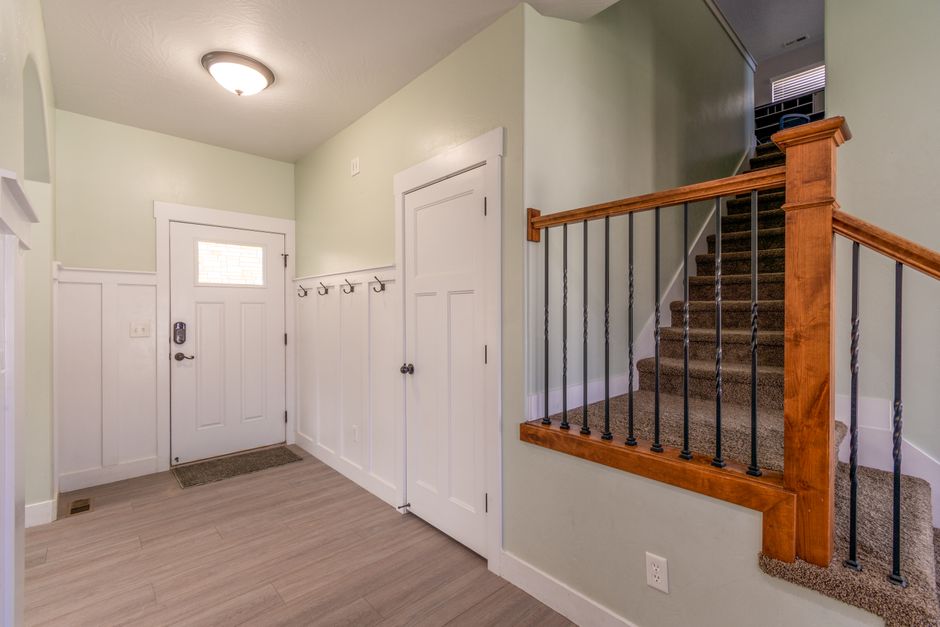
Another key strategy is focusing on high-impact areas. If you’re feeling overwhelmed, start with the kitchen. Why? Because the kitchen usually has the highest item density per square foot. Clearing the kitchen counters provides an immediate visual win that boosts your momentum. To dive deeper into these strategies, check out our guide on routine-hacks-to-prevent-clutter.
Daily Habit Tips to Declutter Your Life in 10 Minutes
The secret to a permanently tidy home isn’t found in a storage bin; it’s found in a timer. Using the “timer technique” helps bypass the dread of a big project. Set a timer for 10 minutes and commit to a single micro-task.
Here are a few 10-minute wins:
- The Junk Drawer Rescue: Don’t try to organize the whole kitchen. Just dump one drawer, toss the dead batteries and old receipts, and put the rest back.
- Laundry Relay: Commit to doing one load from start to finish (wash, dry, and put away). Clutter often lives in the “unfolded” stage.
- Surface Sweep: Walk through the main living area and return 10 items to their designated “homes.”
If you struggle with consistency, using a tracker can help. We’ve compiled some great habit-tracker-ideas-for-clutter-control to help you turn these micro-actions into permanent routines.
Sustainable Habit Tips to Declutter Your Life Long-Term
To keep clutter away for good, you need “gatekeeper” habits that control what enters your home.
- The One-In-One-Out Rule: For every new item that enters your home (a new shirt, a new kitchen gadget), one must leave. This keeps your total item count stable.
- Donation Stations: Keep a permanent box or bag in a closet or the garage. The moment you realize you no longer use or love an item, drop it in the box. When the box is full, drive it to a local charity. This makes decluttering a continuous process rather than a seasonal event.
- Digital Decluttering: Our phones are the new junk drawers. Spend 5 minutes a day deleting old screenshots, unsubscribing from junk emails, or clearing your desktop. Digital clutter triggers the same stress response as physical mess.
- Mindful Purchasing: Before buying something, ask: “Do I have a specific home for this?” If the answer is no, the item is likely to become clutter.
For more long-term maintenance strategies, explore our routine-hacks-to-prevent-clutter-2.
The “Clear to Zero” Evening Ritual: 5 Steps to Success
The “Clear to Zero” ritual is a concept borrowed from professional organizers and productivity experts. It means resetting your environment so you start the next day with a clean slate. This ritual shouldn’t take more than 15-20 minutes, but its impact on your morning stress levels is massive.
- The Kitchen Reset: Wash the last few dishes or load the dishwasher. A clean sink is the “anchor” of a tidy home. If the sink is full, the rest of the house feels messy.
- Flat Surface Clearing: Dining tables and kitchen islands are “clutter magnets.” Clear them off entirely. Visual order on flat surfaces signals to your brain that the day is done.
- Mail Processing: Don’t just move the mail from the counter to a drawer. Open it, recycle the junk, and put the “to-do” items in a designated folder.
- The 5-Item Pick-Up: Before leaving a room for the night, grab five things that don’t belong and put them away. This prevents the “slow creep” of items moving from room to room.
- Floor Clearing: Ensure no shoes, bags, or toys are left on the floor. Clear walkways prevent accidents and create a sense of spaciousness.
Implementing these daily-habits-to-maintain-tidy-spaces ensures you wake up to a home that supports you rather than one that demands your labor.
Proven Systems to Stop Clutter Before It Starts
Maintenance is much easier when you have a system to fall back on. Many people fail because they rely on motivation, which is fickle. Systems, however, are reliable.
| System | Best For | How it Works |
|---|---|---|
| 4-Box Method | Initial Purges | Label boxes: Keep, Donate, Trash, Relocate. Touch each item once and decide. |
| One-Touch Rule | Daily Maintenance | If you pick something up, put it in its final destination, not a “temporary” spot. |
| Toy Rotation | Families | Keep 25% of toys out; store the rest. Swap them every month to keep things “new.” |
| Hanger Trick | Closets | Turn all hangers backward. After 6 months, anything still backward hasn’t been worn—donate it! |
Using these daily-habits-to-maintain-tidy-spaces-2 helps you move away from the “all or nothing” mindset. Another pro tip: Refuse freebies. Whether it’s a “free” tote bag or a promotional pen, if you don’t need it, don’t bring it into your home. It’s much easier to say “no” at the door than to declutter it three years later.
Frequently Asked Questions About Decluttering Habits
How do I start decluttering when I feel completely overwhelmed?
When the mountain of stuff feels too high, don’t look at the summit—look at your feet. Start with small wins. Pick a single drawer or a single shelf. We recommend starting with the kitchen because it offers the biggest visual impact, which builds the dopamine you need to keep going. Use the 5-item pick-up rule: just find five things to throw away or donate today. That’s it. Momentum is a powerful force; once you start, the next five items are always easier.
How long does it actually take to form a permanent decluttering habit?
You might have heard the “21 days” myth, but research from University College London suggests it actually takes an average of 66 days for a new behavior to become automatic. The key is consistency over perfection. If you miss a day of your evening ritual, don’t beat yourself up or try to “double up” the next day. Just resume your 10-minute tidy as soon as possible. Use habit anchoring: attach your decluttering session to something you already do, like tidying the kitchen immediately after you finish your evening tea.
How can I get my family or roommates to participate in these habits?
The best way to change others’ behavior is to lead by example. When they see you feeling less stressed and more productive, they may naturally become curious. Create “clutter-free zones”—communal areas like the coffee table or entryway—where everyone agrees to keep things clear. You can also turn it into a bonding activity. Set a high-energy song on the speakers and do a “power tidy” together for 5 minutes. It’s amazing what a family of four can accomplish in the length of one pop song!
Conclusion
The journey to a simplified life isn’t paved with expensive organizing bins or massive renovation projects. It is built through the small, quiet choices we make every evening. By adopting these habit tips declutter life, you aren’t just cleaning a room; you are creating a sanctuary that allows you to focus on what truly matters.
At Educacao Play, we believe that lifestyle transformation starts with these effortless, practical strategies. When you master your environment, you free up the mental space to master your goals.
Ready to take the next step in your personal development journey? Explore more info about lifestyle systems and discover how a few simple shifts in your routine can lead to a lifetime of streamlined living. Consistency is the secret ingredient—start your 10-minute tidy tonight!
