
Why a Clutter-Free Kids Space Feels Impossible (And How to Fix It Fast)
A clutter free kids space is easier to achieve than most parents think — even in small rooms.
Here’s a quick-start summary:
- Declutter first: Remove everything, then only return items kids actually use or love
- Create zones: Separate areas for play, reading, art, and dressing
- Store smart: Use low bins, wall hooks, and under-bed storage kids can reach
- Rotate toys: Keep only a few out at a time; store the rest and swap them in
- Build habits: A 5-minute daily reset prevents clutter from piling up again
Any parent knows the feeling: you tidy the kids’ room on Saturday, and by Monday it looks like a toy store exploded.
It’s not a parenting failure. Kids’ interests change fast. They grow out of clothes and toys constantly. And between birthdays, holidays, and well-meaning relatives, stuff just keeps coming in.
What makes it harder is that the mess isn’t just an eyesore. Research shows visual clutter raises cortisol levels — the stress hormone — especially in women, who still carry the majority of household mental load. For busy parents, a chaotic kids’ room isn’t just annoying. It’s genuinely exhausting.
The good news? You don’t need a bigger home or a designer budget to fix it. You need a simple system.
Why a Clutter Free Kids Space Matters for Development
We often think of decluttering as an adult chore, but the impact on children is profound. A clutter free kids space isn’t just about aesthetics; it’s about creating an environment where a child’s brain can thrive. When a room is overflowing with toys, electronics, and discarded clothes, it creates “visual noise.” This overstimulation can lead to sensory dysregulation, making it difficult for children to focus on a single task or engage in deep, imaginative play.
In our experience, family harmony improves significantly when the physical environment is calm. When children have fewer choices, they actually play more creatively. Instead of flitting from one toy to another for thirty seconds, they dive deep into building a complex Lego castle or finishing a drawing. For children with neurodivergent needs, this is even more critical. Reducing the number of items on display can help manage the cognitive load required to navigate the room. If you are looking for specific ways to help, check out these storage-solutions-for-kids-with-adhd to create a more supportive environment.
A simplified space fosters independence. When every item has a “home” that is easy to reach, children gain the confidence to manage their own belongings. This shift from “Mom, where is my shoe?” to “I know exactly where my shoes go” is a massive win for parental sanity and child development alike.
The “Blank Canvas” Method to Declutter Effectively
If you’ve been “shuffling” clutter from one corner to another, it’s time for the Blank Canvas method. This is the most effective way to reclaim a clutter free kids space. Instead of picking through a messy shelf, we recommend removing everything from the room—or at least one specific zone, like the closet or the toy nook.
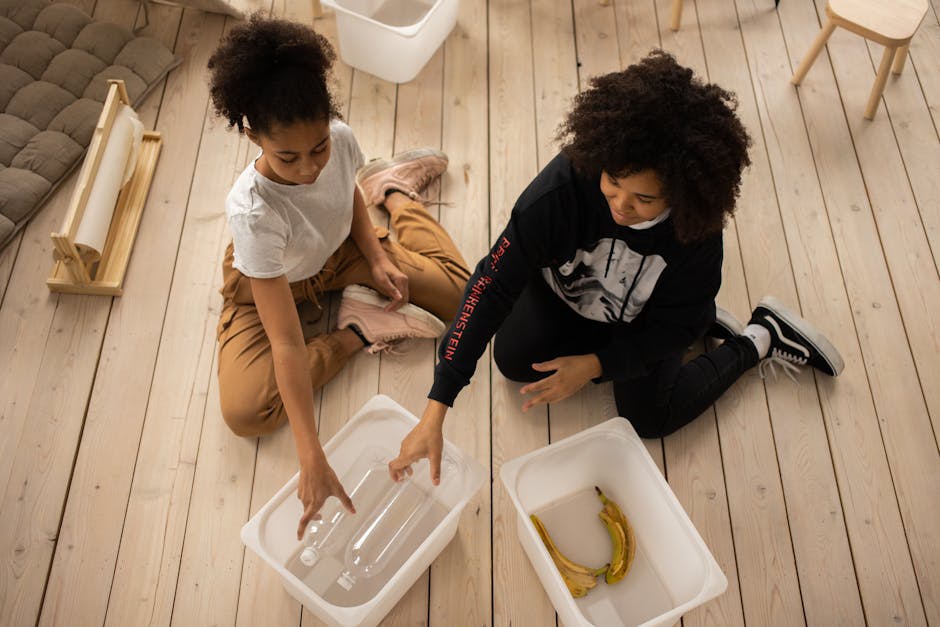
Seeing a space empty allows you to view it objectively. It breaks the “clutter blindness” that happens when we get used to seeing a pile of broken crayons in the corner. Once the area is clear, start sorting items into distinct categories: building blocks, dolls, art supplies, and dress-up clothes.
This is the stage for ruthless purging. Ask yourself:
- Is this toy broken or missing pieces? (Toss it.)
- Have they outgrown this clothing size? (Donate or store for siblings.)
- Has this item been touched in the last three months? (If no, it’s likely a candidate for the donation bin.)
For more in-depth strategies on how to handle the emotional side of letting go, our guide on parenting-and-purging-decluttering-tips-for-busy-moms-and-dads offers practical advice for overwhelmed parents.
Identifying Items for a Clutter Free Kids Space
How do we decide what stays? We like to focus on quality over quantity. Children are often “mini-minimalists” by nature—they would often rather play with a large cardboard box or a wooden spoon than a flashy plastic toy that only does one thing.
When evaluating toys, look for “open-ended” items that grow with the child, like blocks, magnetic tiles, or art supplies. For clothing, consider implementing a capsule wardrobe. Keeping only 7–10 high-quality, mix-and-match outfits per child prevents the dreaded “dresser explosion” and makes morning routines much faster. If you’re struggling with the guilt of getting rid of expensive items, a toy’s value is in the joy it brings, not the price tag. You can find more tips on this in our article parenting-and-purging-decluttering-tips-for-busy-moms-and-dads-2.
Involving Children in the Purging Process
One common mistake parents make is decluttering in secret. While it’s tempting to toss that annoying noisy toy while they’re at school, involving them builds lifelong skills. It teaches them ownership, decision-making, and empathy.
To make it fun, try these strategies:
- The “Toy Hospital” Game: Items that are broken go to the “hospital” (the trash or repair bin).
- The “Gift to Others” Concept: Explain that toys they no longer play with can go to a child who doesn’t have many. Even 3-year-olds can understand the joy of sharing.
- Timers and Rewards: Set a timer for 10 minutes and see how many “donation” items you can find together. Follow it up with a fun activity like a trip to the park.
- Sticker Charts: Reward the act of letting go. Every time they fill a donation bag, they earn a sticker toward a special experience gift.
Smart Storage Solutions for Small Play Areas
In a small home, you have to think vertically. Floor space is precious—it’s the primary “work surface” for a child’s play. To maintain a clutter free kids space, we need to get as much off the floor as possible.
Vertical storage is your best friend. Use wall-mounted crates for shoes, floating shelves for books, and hooks for everything from backpacks to dress-up costumes. Hooks are particularly effective because they require less effort than hangers, making it more likely that a child will actually use them.
Other small-space essentials include:
- Under-bed rolling bins: Perfect for “flat” items like train tracks or Lego baseplates.
- Corner bookshelves: These turn “dead space” into a cozy library.
- Clear containers: Seeing what’s inside prevents kids from dumping out every bin to find one specific toy.
For quick cleanups, we highly recommend using storage-baskets-for-quick-tidying. These allow you to corral “stray” items at the end of the day with minimal effort. Additionally, stackable-bins-for-easy-sorting help maximize every inch of a small closet.
Creating Functional Zones in a Clutter Free Kids Space
Think of your child’s room like a tiny apartment. It needs to serve multiple functions: sleeping, playing, creating, and dressing. By “zoning” the room, you create a sense of order that children find intuitive.
- The Sleep Zone: Keep the area around the bed clear of toys. This signals to the brain that this is a restful space. A simple nightstand and a few favorite books are all you need.
- The Create Zone: Use a small table or a rolling cart for art supplies. We suggest using storage-racks-for-craft-supplies to keep papers and markers organized. Don’t forget to use labels-for-adhd-friendly-craft-and-hobby-spaces to help kids know exactly where the glue sticks go.
- The Play Zone: This should be the largest open area of floor space, ideally near the toy storage bins.
- The Dress Zone: Organize the closet so the most-used items are at the child’s height.
Toy Rotation: The Secret to Minimalist Play
If you only take one tip from this article, let it be this: Toy Rotation.
You don’t need to get rid of every toy to have a clutter free kids space. Instead, keep only a small selection (about 5–10 items) out in the room. Put the rest into bins and hide them away in a top closet shelf or the garage. Every few weeks (or whenever you notice interest waning), swap the “old” toys for “new” ones from storage.
This system works wonders because:
- It reduces overwhelm: Kids can actually see what they have.
- It keeps toys “new”: Bringing a toy back after a month in storage makes it feel like a brand-new gift.
- It makes cleanup a breeze: There are simply fewer things to pick up!
Daily Habits to Prevent Future Mess
Creating a clutter free kids space is a one-time project, but maintaining it is a lifestyle. We believe in “effortless strategies” that fit into a busy schedule.
One of our favorite rules is the 1-in-1-out rule. If a child gets a new toy for their birthday, one old toy must be donated. This keeps the total volume of “stuff” consistent. We also advocate for mindful consumption—teaching kids to politely decline “party favor” junk that will just become floor clutter within 24 hours.
Daily habits that make a difference:
- The 5-Minute Reset: Before screen time or bed, put on a fun song and see how much can be tidied in five minutes.
- Experience Gifts: Encourage grandparents to gift zoo memberships, movie tickets, or art classes instead of plastic toys.
- Role Modeling: Let your kids see you decluttering your own spaces. Explain why you are doing it: “I’m donating these shoes so someone else can use them, and so our closet feels more peaceful.”
To help with these daily resets, having storage-baskets-for-quick-tidying-2 strategically placed around the room is a lifesaver. For more complex categories like building sets, stackable-bins-for-easy-sorting-2 keep the “mess” contained and easy to manage.
Frequently Asked Questions about Kids’ Room Organization
How do I organize a shared room for different ages?
Shared rooms require “micro-zoning.” Assign each child their own color-coded bins or shelves. Use vertical space to give older children storage for small parts (like Legos) that might be a choking hazard for a younger sibling. Shared areas, like a reading nook, should be kept neutral.
What are the best budget-friendly storage hacks?
You don’t need expensive furniture. Repurpose wooden crates as wall shelves, or use a clear over-the-door shoe organizer to store stuffed animals, Barbies, or craft supplies. Tension rods can be used inside a closet to create extra hanging space for costumes or small jackets.
How can I stop the influx of toys from birthdays?
The best defense is a good offense. Create a digital “wish list” of experience-based gifts or “consumable” crafts (like playdough or finger paints) that will eventually be used up and gone. Communicate clearly with family members about your goal of maintaining a clutter free kids space.
Conclusion
At the end of the day, a clutter free kids space isn’t about having a “perfect” home. It’s about creating a sanctuary where your family can breathe, play, and grow without the weight of excess “stuff” holding you back. By implementing zones, embracing toy rotation, and involving your children in the process, you aren’t just cleaning a room—you are teaching them independence and the value of a peaceful environment.
We believe that organization should be practical and effortless. If you’re ready to transform the rest of your home, Explore more effortless storage solutions at Educacao Play. Together, we can reclaim your space and your sanity, one bin at a time!
